Alternatywy dla ekranu dla dzieci — aktywności bez tabletu i telewizora

Ekran czy alternatywa? Dylemat każdego rodzica
Prawie każdy rodzic mierzy się z tym pytaniem: “Ile czasu przed ekranem jest za dużo?” WHO i pediatrzy są jednoznaczni — dla dzieci poniżej 2 lat ekran to prawie zero, dla 2-5 latków maksimum godzina dziennie, dla starszych ograniczony i kontrolowany dostęp.
Ale sama wiedza o limitach to nie wystarczy. Problem nie leży w tym, że chcemy ograniczyć ekran — problem leży w tym, czym go zastąpić. Tablet jest prosty: dajemy dziecku i mamy spokój. Alternatywy wymagają zwykle więcej przygotowania.
W tym artykule zebraliśmy alternatywy, które naprawdę działają — angażują dzieci, rozwijają je i nie wymagają od rodzica ciągłego nadzoru.
1. Kolorowanie — najlepsza alternatywa dla ekranu
Kolorowanie to aktywność, która ma prawie same zalety jako alternatywa dla ekranu:
- Nie potrzebuje zasięgu ani baterii — działa zawsze i wszędzie
- Angażuje na długo — jedno dziecko może kolorować 30-60 minut bez przerwy
- Nie jest bierne — w przeciwieństwie do oglądania bajki, kolorowanie wymaga aktywności
- Rozwija motorykę — ćwiczy rączkę w sposób, którego tablet nie zapewni
- Można je przerwać i wrócić — nie ma “seriali” i “jeszcze jeden odcinek”
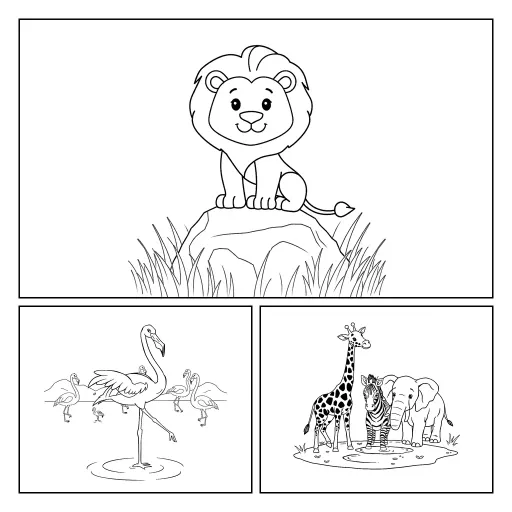
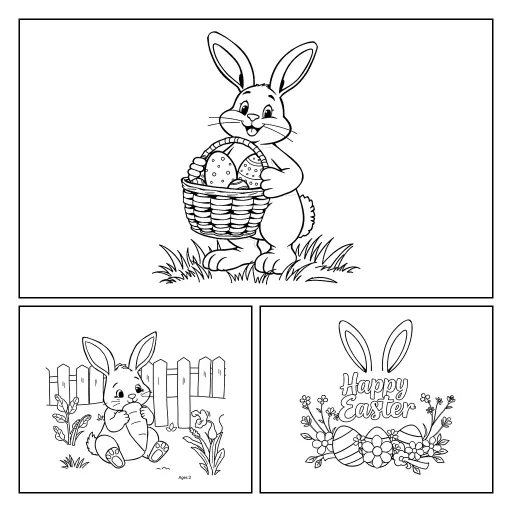
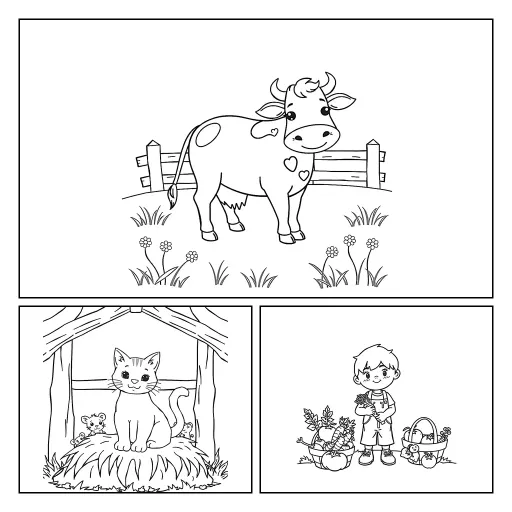
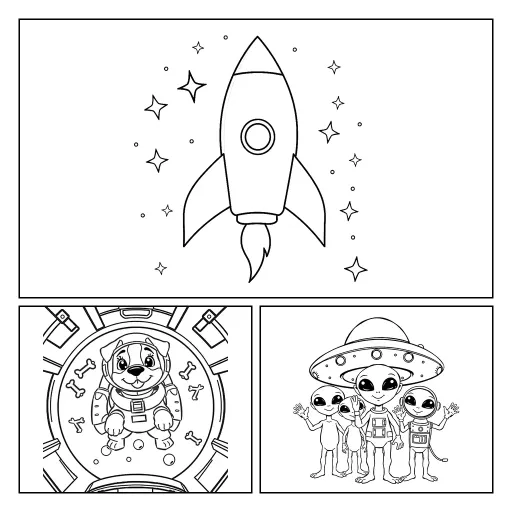
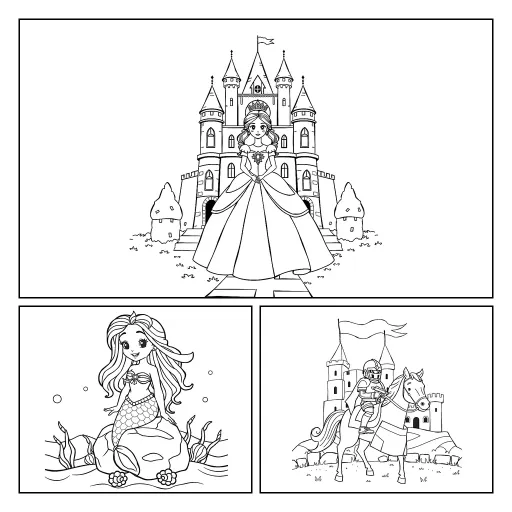
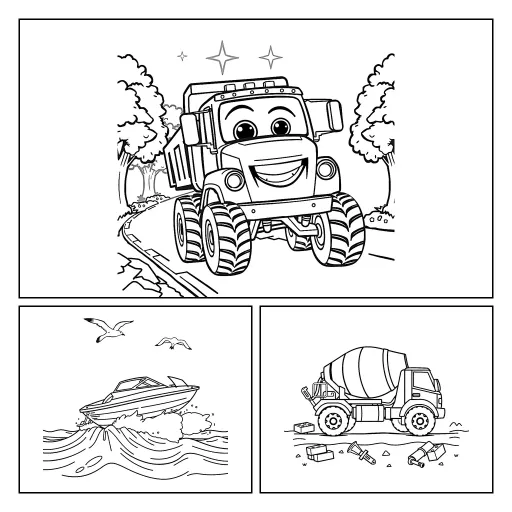
Kluczem jest dobry zestaw kolorowanek z odpowiednim tematem dla dziecka. Gdy dziecko ma kolorowanki z ulubionymi motywami (pojazdy, księżniczki, zwierzęta z dżungli), traktuje je jak rozrywkę — a nie obowiązek.
Praktyczna wskazówka: Wydrukuj 5-6 stron i zostaw na widocznym miejscu. Wiele dzieci samo sięgnie po kredki, gdy coś ciekawego leży na stole.
2. Lepienie z plasteliny lub gliny
Plastelina to klasyk, który nigdy nie wychodzi z mody — i słusznie. Lepienie angażuje obie ręce, ćwiczy siłę chwytną i koordynację, stymuluje wyobraźnię (co lepimy?), daje efekt namacalny (gotowe figurki), i działa kojąco i antystresowo.
Zaletą plasteliny jest też to, że można ją “resetować” — stworzone figurki można rozkleić i lepić od nowa. To ważne dla dzieci, które lubią zaczynać od nowa i eksperymentować.
Wskazówka: Pokolorowanki i plastelina świetnie się uzupełniają. Wydrukuj kolorowankę ze zwierzęciem, a potem zaproponuj ulepienie tego samego zwierzęcia z plasteliny. Kolorowanie jako inspiracja do lepienia.
3. Puzzle
Puzzle to aktywność angażująca funkcje poznawcze, których tablet nie ćwiczy: logiczne myślenie, rozpoznawanie kształtów i wzorów, cierpliwość, strategia. Układanie puzzli to też świetna aktywność rodzic-dziecko.
Wybierając puzzle dla dziecka, dostosuj liczbę elementów:
- 2-3 lata: 4-12 elementów
- 4-5 lat: 24-48 elementów
- 6-8 lat: 48-100+ elementów
Wskazówka: Puzzle z motywami, które dziecko lubi (zwierzęta, pojazdy, bajkowe postacie) angażują bardziej niż “neutralne” tematy.
4. Budowanie i konstruowanie
Klocki LEGO, Duplo, drewniane klocki, Kapla — to aktywności, które rozwijają myślenie przestrzenne, kreatywność, cierpliwość i planowanie. Budowanie jest też jedną z nielicznych aktywności, w których dzieci mogą dosłownie godzinami być skupione i zaangażowane.
Ważne: niech dziecko buduje to, co chce — nie “poprawne” budowle z instrukcji. Swobodne budowanie jest cenniejsze dla kreatywności niż wierne odtwarzanie wzoru.
5. Czytanie i słuchanie
Czytanie dziecku na głos to aktywność, przy której niemożliwe jest bycie biernym — angażuje wyobraźnię, buduje słownictwo, ćwiczy skupienie i tworzy wspomnienia. Audiobooki dla dzieci to świetna alternatywa, gdy rodzic nie ma czasu — dziecko słucha samodzielnie i często rysuje lub koloruje jednocześnie.
Audiobooki + kolorowanie = idealne połączenie. Dziecko jest zajęte, aktywne i “karmione” treścią — bez ekranu.
6. Aktywność na świeżym powietrzu
Spacer, plac zabaw, ogródek, jazda na rowerze — to oczywiste alternatywy, które zwykle wiemy, ale często zapominamy o ich potencjale. Aktywność na dworze nie tylko zastępuje ekran, ale też regeneruje układ nerwowy i poprawia jakość snu dziecka.
Jeśli mieszkasz w mieście i nie masz ogrodu — wyjście na 20-minutowy spacer bez celu i telefonu w ręku może być bardziej wartościowe niż godzina aktywności w domu.
7. Gotowanie i pieczenie razem
Udział dziecka w przygotowaniu posiłku to aktywność łącząca wiele obszarów: matematykę (odmierzanie), naukę (obserwacja, co się dzieje z ciastem), motorykę (mieszanie, wałkowanie), kreatywność (dekorowanie) i poczucie sprawczości (“sam to zrobiłem!”).
Prostym projektem dla 4-latka jest wyrabianie ciasteczek z gotowego ciasta i wycinanie kształtów foremkami. Efekt (ciasto do zjedzenia) jest natychmiastową nagrodą.
Jak zastąpić “czas przed ekranem” — plan działania
Sama lista alternatyw to za mało. Potrzebujesz strategii, bo walka z ekranem w trybie “nie, nie możesz!” zazwyczaj kończy się płaczem po obu stronach.
1. Przygotuj “skrzynkę aktywności” — małe pudełko z dostępnymi od razu materiałami: kilka kolorowanek, kredki, plastelina, karty z grami dla dzieci. Gdy zaczyna się “nudno” — dziecko samo sięga do skrzynki.
2. Ustal stały czas ekranu — np. 30 minut po obiedzie. Gdy dziecko wie, że ekran jest o konkretnej godzinie, nie pyta o niego co 15 minut.
3. Wypełnij “strefy wysokiego ryzyka” — poranek, czas przed kolacją, długa podróż. To momenty, gdy rodzice najczęściej sięgają po tablet “dla świętego spokoju”. Alternatywy muszą być gotowe właśnie na te momenty.
4. Nie dramatyzuj ekranu — dzieci, którym ekran jest silnie zakazany, często mają do niego niezdrową fascynację. Ekran jest w porządku w rozsądnych ilościach — ale nie może być jedyną rozrywką.
Zobacz też
Jeśli szukasz sposobów, jak zachęcić dziecko do kolorowania, przeczytaj nasz artykuł Jak zachęcić dziecko do kolorowania — 10 sprawdzonych sposobów.
Podsumowanie
Alternatywy dla ekranu dla dzieci istnieją i działają — kolorowanie, lepienie, puzzle, budowanie, czytanie i aktywność fizyczna to sprawdzone aktywności rozwijające dziecko w sposób, którego żaden tablet nie zastąpi. Klucz to dobra organizacja: gotowe materiały, stały plan dnia i traktowanie alternatyw jako atrakcji, a nie kary za brak ekranu.
Screen or Alternative? Every Parent’s Dilemma
Almost every parent faces this question: “How much screen time is too much?” The WHO and pediatricians are clear — for children under 2, screen time is nearly zero; for 2-5 year olds, a maximum of one hour per day; for older children, limited and controlled access.
But knowing the limits alone isn’t enough. The problem isn’t that we want to limit screens — the problem is what to replace them with. A tablet is easy: hand it to the child and you have peace. Alternatives usually require more preparation.
In this article, we’ve gathered alternatives that truly work — they engage children, develop them, and don’t require constant parental supervision.
1. Coloring — The Best Alternative to Screens
Coloring is an activity with almost entirely advantages as a screen alternative:
- Doesn’t need signal or battery — works anytime and anywhere
- Engages for a long time — one child can color for 30-60 minutes without interruption
- Isn’t passive — unlike watching a cartoon, coloring requires activity
- Develops motor skills — exercises the hand in a way a tablet can’t
- Can be paused and resumed — no “series” and “just one more episode”
The key is a good set of coloring pages with the right theme for the child. When the child has coloring pages with their favorite motifs (vehicles, princesses, jungle animals), they treat them as entertainment — not a chore.
Practical tip: Print 5-6 pages and leave them in a visible place. Many children will reach for the crayons on their own when something interesting is lying on the table.
2. Clay and Dough Modeling
Play dough and clay are classics that never go out of style — and for good reason. Modeling engages both hands, exercises grip strength and coordination, stimulates imagination (what are we making?), gives a tangible result (finished figurines), and has a calming, stress-relieving effect.
An advantage of play dough is that it can be “reset” — created figures can be broken apart and remade. This is important for children who like to start over and experiment.
Tip: Coloring pages and play dough complement each other beautifully. Print a coloring page with an animal, then suggest making the same animal from play dough. Coloring as inspiration for modeling.
3. Puzzles
Puzzles are an activity that engages cognitive functions that tablets don’t exercise: logical thinking, shape and pattern recognition, patience, strategy. Puzzle-solving is also a great parent-child activity.
When choosing puzzles for children, match the number of pieces:
- Ages 2-3: 4-12 pieces
- Ages 4-5: 24-48 pieces
- Ages 6-8: 48-100+ pieces
Tip: Puzzles with themes the child loves (animals, vehicles, fairy-tale characters) engage more than “neutral” topics.
4. Building and Constructing
LEGO, Duplo, wooden blocks, Kapla — these activities develop spatial thinking, creativity, patience, and planning. Building is also one of the few activities where children can literally be focused and engaged for hours.
Important: let the child build what they want — not “correct” structures from instructions. Free building is more valuable for creativity than faithfully reproducing a pattern.
5. Reading and Listening
Reading aloud to a child is an activity where being passive is impossible — it engages the imagination, builds vocabulary, trains focus, and creates memories. Audiobooks for children are a great alternative when parents don’t have time — the child listens independently and often draws or colors simultaneously.
Audiobooks + coloring = ideal combination. The child is busy, active, and being “fed” content — without a screen.
6. Outdoor Activity
A walk, playground, garden, bike ride — these are obvious alternatives that we usually know but often forget the potential of. Outdoor activity not only replaces the screen but also regenerates the nervous system and improves the child’s sleep quality.
If you live in a city without a garden — a 20-minute walk without a destination or phone in hand can be more valuable than an hour of indoor activity.
7. Cooking and Baking Together
A child’s participation in meal preparation is an activity that combines many areas: mathematics (measuring), science (observing what happens to dough), motor skills (stirring, rolling), creativity (decorating), and sense of agency (“I made this!”).
A simple project for a 4-year-old is kneading ready-made cookie dough and cutting out shapes with cutters. The result (food to eat) is an immediate reward.
How to Replace “Screen Time” — Action Plan
A list of alternatives alone isn’t enough. You need a strategy, because fighting screens in “no, you can’t!” mode usually ends in tears on both sides.
1. Prepare an “activity box” — a small box with immediately available materials: a few coloring pages, crayons, play dough, children’s card games. When things get “boring” — the child reaches into the box on their own.
2. Set fixed screen time — for example, 30 minutes after lunch. When the child knows that screen time is at a specific hour, they don’t ask for it every 15 minutes.
3. Fill “high-risk zones” — morning, time before dinner, long journeys. These are moments when parents most often reach for the tablet “for some peace.” Alternatives must be ready precisely for these moments.
4. Don’t dramatize screens — children for whom screens are strongly forbidden often have an unhealthy fascination with them. Screens are fine in reasonable amounts — but shouldn’t be the only entertainment.
See Also
If you’re looking for specific tips to get your child interested in coloring, read our article How to Get Kids to Color — 10 Proven Tips.
Summary
Screen-free alternatives for children exist and work — coloring, modeling, puzzles, building, reading, and physical activity are proven activities that develop children in ways no tablet can replace. The key is good organization: ready materials, a consistent daily plan, and treating alternatives as attractions, not punishments for lack of screen time.
Udostępnij artykuł